Get 25% Off Your First Order

Sleeping pills are medications designed to help patients fall asleep faster, stay asleep longer, or improve overall sleep quality. They are widely used to manage short-term sleep disturbances as well as chronic insomnia when other methods are ineffective. These medications can be highly effective, but they must be used carefully due to risks such as tolerance, dependency, and side effects.
Dr. Singh emphasises that sleeping pills should always be taken under professional guidance, especially since different types of medicines affect the brain and body in different ways. Understanding how these medicines work helps patients make informed decisions about their sleep treatment.
Types of Sleeping Pills
Sleeping pills fall into several categories, each with distinct mechanisms and clinical uses. Some options work quickly to help patients fall asleep, while others maintain sleep throughout the night. Below is a comprehensive overview of the main types.
1. Benzodiazepine Sleeping Pills
Benzodiazepines have been used for decades to treat insomnia. They enhance the calming neurotransmitter GABA, which slows brain activity and produces sedation. Although effective, these medications carry risks of dependence and are usually reserved for short-term use.
Older adults are more susceptible to confusion and falls when taking benzodiazepines, so these medications must be used cautiously.
Common Medicines:
- Temazepam
- Diazepam (occasionally for sleep)
- Triazolam
Benefits:
- Fast-acting sedative effect
- Useful for sleep onset and sleep maintenance
- Effective for short-term insomnia
Risks:
- Dependency and withdrawal symptoms
- Impaired memory or coordination
- Not recommended for long-term use
2. Non-Benzodiazepine Sleeping Pills (Z-Drugs)
These modern sleeping pills are often preferred due to their targeted action on GABA receptors and fewer side effects compared to benzodiazepines. They help with falling asleep, staying asleep, or both, depending on the formulation.
While safer than older sedatives, they can still cause unusual sleep behaviours in rare cases, so patients should be monitored during treatment.
Examples:
- Zolpidem
- Eszopiclone
- Zaleplon
Benefits:
- Lower dependence risk than benzodiazepines
- Improves sleep onset and duration
- Fewer cognitive side effects
Risks:
- Possible sleepwalking or sleep-driving
- Morning grogginess
- Dangerous interactions with alcohol
3. Dual Orexin Receptor Antagonists (DORAs)
Dual Orexin Receptor Antagonists represent a major advancement in sleep medicine. Instead of sedating the brain, they block orexin, the chemical responsible for wakefulness. This allows sleep to occur naturally without the strong sedation associated with older medicines.
DORAs are increasingly recommended for patients needing long-term sleep support due to their low dependency risk.
Common Medicines:
- Suvorexant
- Lemborexant
- Daridorexant
Benefits:
- Supports natural sleep-wake rhythms
- Lower risk of dependence
- Effective for sleep onset and maintenance
Side Effects:
- Vivid dreams
- Morning sleepiness
- Headache
4. Antihistamine Sleeping Pills (OTC)
Over-the-counter antihistamines are frequently used as sleeping pills due to their sedative effects. However, tolerance develops quickly, meaning they are not suitable for long-term insomnia management.
They are best used for short-term sleep difficulties such as travel fatigue or occasional stress.
Common OTC Medicines:
- Diphenhydramine
- Doxylamine
Pros:
- Widely available without prescription
- Helps with short-term sleep issues
Cons:
- Grogginess the next morning
- Reduced alertness or concentration
- Not suitable for chronic insomnia
5. Melatonin & Natural Sleep Aids
Many patients turn to natural sleeping aids, especially melatonin, for mild sleep disturbances. Melatonin supports the body’s internal clock and is often used for jet lag or circadian rhythm disruptions.
Although generally safe, supplements vary in quality and potency. Patients should discuss all supplement use with a healthcare provider.
Popular Natural Options:
- Melatonin
- Valerian root
- Chamomile
Benefits:
- Mild calming effects
- Supports circadian rhythm
Considerations:
- Inconsistent scientific evidence
- Possible medication interactions
- Not effective for severe insomnia
How Doctors Choose the Right Sleeping Pill
Selecting the appropriate sleeping pill requires a personalised medical evaluation. Dr. Singh considers multiple factors to ensure safety and success, especially since not all patients respond to medications in the same way.
In many cases, medications are paired with behavioural treatments to maximise long-term improvement.
Key Considerations:
- Type of sleep problem: difficulty falling asleep, staying asleep, or early waking
- Patient age: older adults require safer options
- Medical conditions: including mental health, breathing disorders, or heart issues
- Other medications: to minimise interaction risks
- Risk of dependency: varies by medication class
- Lifestyle: work schedule, stress, travel patterns
Benefits of Sleeping Pills
When used responsibly, sleeping pills can significantly improve sleep quality and reduce anxiety associated with insomnia. Short-term use often helps break the cycle of sleeplessness, allowing patients to regain confidence in their ability to sleep.
Better sleep supports overall health, including mood regulation, cognitive function, and daytime energy levels.
Benefits Include:
- Faster sleep onset
- Fewer nighttime awakenings
- Improved sleep duration
- Enhanced daytime alertness
- Reduced stress around bedtime
Risks & Side Effects of Sleeping Pills
Although helpful, sleeping pills come with potential risks that patients must understand before beginning treatment. These risks vary depending on the medication, dosage, and patient’s health profile.
Side effects may decrease as the body adjusts, but persistent symptoms should be reported to a healthcare professional.
Common Side Effects:
- Morning drowsiness
- Headache
- Dizziness
- Memory issues
- Unusual dreams
Serious Risks:
- Dependency or withdrawal
- Abnormal sleep behaviours
- Breathing suppression when combined with alcohol
- Cognitive impairment, especially in older adults
Safety Tips:
- Avoid alcohol when taking sleeping pills
- Follow exact dosage instructions
- Never combine different sedatives
- Do not stop certain medications abruptly
- Report any unusual symptoms immediately
Behavioural Therapies to Use With Sleeping Pills
Sleeping pills work best when combined with lifestyle changes and behavioural therapies. Cognitive Behavioural Therapy for Insomnia (CBT-I) is the gold standard treatment for chronic insomnia and helps address underlying sleep habits and thought patterns.
By pairing medication with healthy sleep practices, patients can build sustainable long-term improvements.
Helpful Non-Medication Strategies:
- Maintain a consistent sleep schedule
- Limit caffeine and heavy meals before bed
- Reduce screen exposure at night
- Create a quiet, dark sleep environment
- Use relaxation methods like deep breathing
- Avoid long naps during the day
Frequently Asked Questions (FAQs)
1. Are sleeping pills safe?
Most sleeping pills are safe when used as prescribed. Some are intended only for short-term use, while others may be suitable long-term under medical supervision.
2. Can I get addicted to sleeping pills?
Certain types, especially benzodiazepines, carry a higher dependency risk. Newer medications like DORAs tend to have a lower addiction potential.
3. Can I take sleeping pills every night?
Daily use is only advisable with specialist guidance. Some medicines lose effectiveness or cause dependence with long-term nightly use.
4. Do natural sleeping pills work?
Melatonin can be effective for regulating circadian rhythm, but results vary. Herbal supplements should be used cautiously and under medical advice.
5. What is the safest sleeping pill?
For many patients, melatonin agonists or DORAs offer safer long-term profiles compared to older sedatives.
6. How quickly do sleeping pills work?
Some start working within 20–30 minutes, while others may take several days to show full benefits.
7. Can I stop sleeping pills suddenly?
Benzodiazepines and some Z-drugs must be tapered to avoid withdrawal effects. Always follow medical guidance.
8. Can I drink alcohol while on sleeping pills?
No. Alcohol significantly increases the sedative effects and can suppress breathing.
9. Do sleeping pills cure insomnia?
Sleeping pills treat symptoms but do not cure insomnia. Long-term improvement usually requires CBT-I.
10. Is it safe to drive the next morning?
Some sleeping pills may impair morning alertness. Avoid driving until you know how the medication affects you.
Conclusion
Sleeping pills can be a valuable tool for restoring healthy sleep patterns, especially when insomnia interferes with daily life. With many treatment options available—from benzodiazepines to DORAs and natural aids—patients can work with Dr. Singh to find the safest and most effective approach.
Combining medication with behavioural therapies provides the best long-term results. With proper guidance, patients can achieve meaningful and lasting improvements in sleep quality.
- Estimated delivery dates: Mar 30, 2026 - Mar 30, 2026Anxiety Relief
Accord Diazepam
Price range: £33.25 through £560.00Select options This product has multiple variants. The options may be chosen on the product pageClear1470140280 - Estimated delivery dates: Mar 30, 2026 - Mar 30, 2026Anxiety Relief
Belbien Zolpidem
Price range: £28.50 through £900.00Select options This product has multiple variants. The options may be chosen on the product pageClear1020200400 - Estimated delivery dates: Mar 30, 2026 - Mar 30, 2026Anxiety Relief
Martin Dow Diazepam
Price range: £28.50 through £600.00Select options This product has multiple variants. The options may be chosen on the product pageClear1050100250 - Estimated delivery dates: Mar 30, 2026 - Mar 30, 2026Anxiety Relief
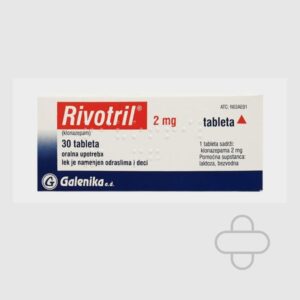
Rivotril Clonazepam
Price range: £28.50 through £600.00Select options This product has multiple variants. The options may be chosen on the product pageClear1050100250 - Estimated delivery dates: Mar 30, 2026 - Mar 30, 2026Anxiety Relief
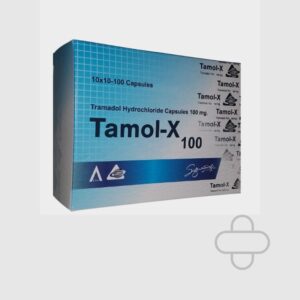
Tramadol Tamol-X
Price range: £23.75 through £400.00Select options This product has multiple variants. The options may be chosen on the product pageClear1050100250